

Baseball and IP: How Trademarks Protect America’s Favorite Pastime
Baseball and IP: Trademarks in Honor of the College World Series
Baseball is a long-standing American tradition. Iconic events like the upcoming College World Series® are recognizable tournaments in the sport. Event names like these and other items in the world of baseball are protected by trademarks; even beloved ballpark snacks like Cracker Jack® have trademarks! Next time you’re at a ballpark watching baseball, be sure to look around and enjoy the intellectual property!
Baseball and Branding: Baseball Trademarks
Trademarks play a crucial role in protecting the identity of major baseball events. The World Series®, one of the most prestigious championships in professional sports, is a registered trademark owned by Major League Baseball (MLB). The MLB was formed in 1903, so that’s over 122 years of high-quality professional baseball – as an organization and as a business.
In college athletics, both the Men’s College World Series and Women’s College World Series are trademarks held by the National Collegiate Athletics Association (NCAA). These marks ensure that only authorized entities can use the names in promotions, merchandise, and official branding. The College World Series, set to start soon here in Omaha, was first trademarked in 1988.
2025 College World Series Team Trademarks
One of the eight teams that advanced to the College World Series is Coastal Carolina University, located in Conway, South Carolina. No stranger to the CWS, Coastal Carolina captured the national title in 2016. Although the university’s National Championship-specific logo is not federally registered, Coastal Carolina enjoys common law trademark rights in the mark. These rights stem from the university’s use of the logo in commerce and association it has built with the university’s historic win.

Coastal Carolina also has many other trademarks associated with their university’s logos.

Reg. No. 4710989
Their mascot draws a lot of attention as well. Chanticleers is an unfamiliar term to many. It’s pronounced “shon-ti-cleer” and it means rooster.
Murray State, located in Kentucky, is another one of the eight teams in this year’s CWS, and it’s their first-ever appearance! They will play UCLA in Game 1 of the series.
Did you know there is a difference between federally registered and state trademarks? Murray State has trademarks filed through the state of Kentucky, like the logo below.

We wish all eight teams and their fans the best this College World Series!
Cracker Jack®: A Snack with a History
No baseball game is complete without Cracker Jack®, the caramel-coated popcorn and peanut mix that has been a staple of ballparks for over a century. Cracker Jack has been a registered trademark since 1906! While the original trademark has evolved and been renewed over time, Cracker Jack and its history remains an iconic part of baseball culture, even earning a mention in the classic song Take Me Out to the Ball Game.

Why Trademarks Matter in Baseball
Trademarks aren’t only legal jargon and protection. They help preserve the history and identity of baseball’s biggest events. It is trademarks that ensure that the parent organizations retain exclusive rights, preventing unauthorized commercial use.
As the game of baseball continues to change and grow, intellectual property remains a key component in the future of the sport. Continued protection of the innovations and intellectual property associated with baseball and its traditions will help keep the love of the game alive.


Suiter Swantz IP Welcomes Luke McGowan as Summer Associate
Luke C. McGowan is a summer associate at Suiter Swantz IP. Luke graduated from the University of Kansas with a B.S. in Mechanical Engineering.
Luke is currently a student at University of Nebraska School of Law and expects to receive his Juris Doctor in May 2027.
Luke is the Secretary for the Student Intellectual Property Law Association (SILPA), assisting students interested in the study and practice of IP law.
Outside of the office, Luke enjoys golfing, traveling, and watching Kansas Basketball.
For more information about Luke refer to our team page.

Suiter Swantz IP is a full-service intellectual property law firm providing client-centric patent, trademark, and copyright services. If you need assistance with an intellectual property matter and would like to speak with one of our attorneys, please contact us at info@suiter.com.

Father’s Day Gifts Inspired by Patents: Innovation for Every Dad
Father’s Day Gifts Inspired by Patents
Father’s Day is this month, and it’s time to celebrate dads everywhere! If you’re still looking for a Father’s Day gift, here are some practical gadgets and quirky creations to consider from patent history.
Golf Tees, U.S. Patent No. 1,493,687
The first patent for a golf tee was issued in 1889. The patent was for a cylinder-shaped rubber tee with an artificial ground surface to practice, similar to the set up at a driving range.
There were a handful more golf tee designs throughout the late 1800s, with this more modern version being issued a patent in 1924. This golf tee design is a wooden peg with a funnel shape. For the sporty dad, you can never have too many tees.

Poker Cards, U.S. Patent No. 7,398,973
Does your dad love games? Then perhaps a nice new pack of cards and some time together to play?
This patent for a “Hold’em poker” game and unique deck of cards from 2008 looks like a good option. The patent describes a card deck that has two additional values (e.g., 11 and 12) and unsuits two values (e.g., 10s and 11s). The game is played almost identically to traditional Texas Hold’Em with a few exceptions related to the unsuited cards.

Flashlight Armband, U.S. Patent No. 6,062,700
For the outdoorsy dad who loves camping, jogging, or working on projects in the garage, a flashlight armband is a game-changer. This wearable light source keeps hands free while providing bright, focused illumination—ideal for outdoor evening adventures or fixing things around the house.

Beer Mug, U.S. Patent No. 4,555,034
Whether your Dad enjoys a cold beer or a refreshing soda, patented beer mug designs like this one have introduced features like built-in cooling elements and spill-resistant lids. Innovations like these ensure that every sip is perfectly chilled, making it a great addition to dad’s collection of barware essentials.

Gas and Ceramic Grill Combo, U.S. Patent Publication No. 2013/0312732
If your dad is a grill master, consider this grill for his next backyard BBQ. This design is the best of both worlds and allows for a customizable cooking set up for both low and high heat grilling.

Celebrating Father’s Day with Innovation
Whether you’re looking for a thoughtful, practical or fun Father’s Day gift, this list proves that creative thinking makes everyday life–and Father’s Day–even more special. Our team at Suiter Swantz IP wishes everyone a great Father’s Day!

Softball Patents that Improve Play and Safety
Softball Patents that Improve Play and Safety
This week marks the championship series of the Women's College World Series (WCWS). Now in its 9th year, excitement builds for one of the biggest events in collegiate softball. The Nebraska Cornhuskers softball team fell short this year, but we are proud of their season, and we celebrate not only the incredible talent and dedication of the athletes but also the innovations that have helped shape the game of softball. The final games of the WCWS bracket will take place in Oklahoma City, OK, with four teams remaining: Texas, Oklahoma, Tennessee, and Texas Tech.
Softball Patents - the Basics
Softball Design – U.S. Patent No. 4840378
This patent was granted June 20, 1989, almost 36 years ago. The patent application details the softball’s core and cover materials to optimize performance. The design, approximately 12 inches in diameter, makes it a key innovation in the sport.

Softball Bat – U.S. Patent No. 5415398A
The evolution of the softball bat has been critical to improving hitting power and control. This patent introduced a tubular aluminum bat with a unique internal structure designed to enhance impact response, allowing players to achieve greater slugging distances while maintaining durability.

Protective Face Guard – U.S. Patent No. 5661849A
Safety should be the top priority in any sport, and this patent improved protection for softball players’ helmets. The design features a rigid, curved bar system that shields the face while maintaining clear visibility for tracking pitches. As the game has grown more competitive, protective gear like this has become essential for player safety.

Celebrating the Women's College World Series
The Women's College World Series—a phrase trademarked by the NCAA, by the way—is an impressive showcase of skill, perseverance, and teamwork. Our team here at Suiter Swantz IP recognizes the dedication of every athlete who has worked tirelessly to reach this stage. Softball continues to evolve and gain popularity, not just through talent but through innovation, ensuring that players have the best equipment and protection to perform at their highest level.
Honoring Memorial Day Through Innovation: A Look at Patents That Celebrate Remembrance
Honoring Memorial Day Through Innovation: A Look at Patents That Celebrate Remembrance
Memorial Day is a time for reflection, gratitude, and honoring those who have served our country. Many observe the holiday through ceremonies, parades, and gatherings, however innovation has also played a unique role in shaping the way we can commemorate this day. Over the years, inventors have sought to create meaningful ways to enhance Memorial Day traditions, leading to patents that help preserve the spirit of remembrance.
The Earliest Memorial Day Patent
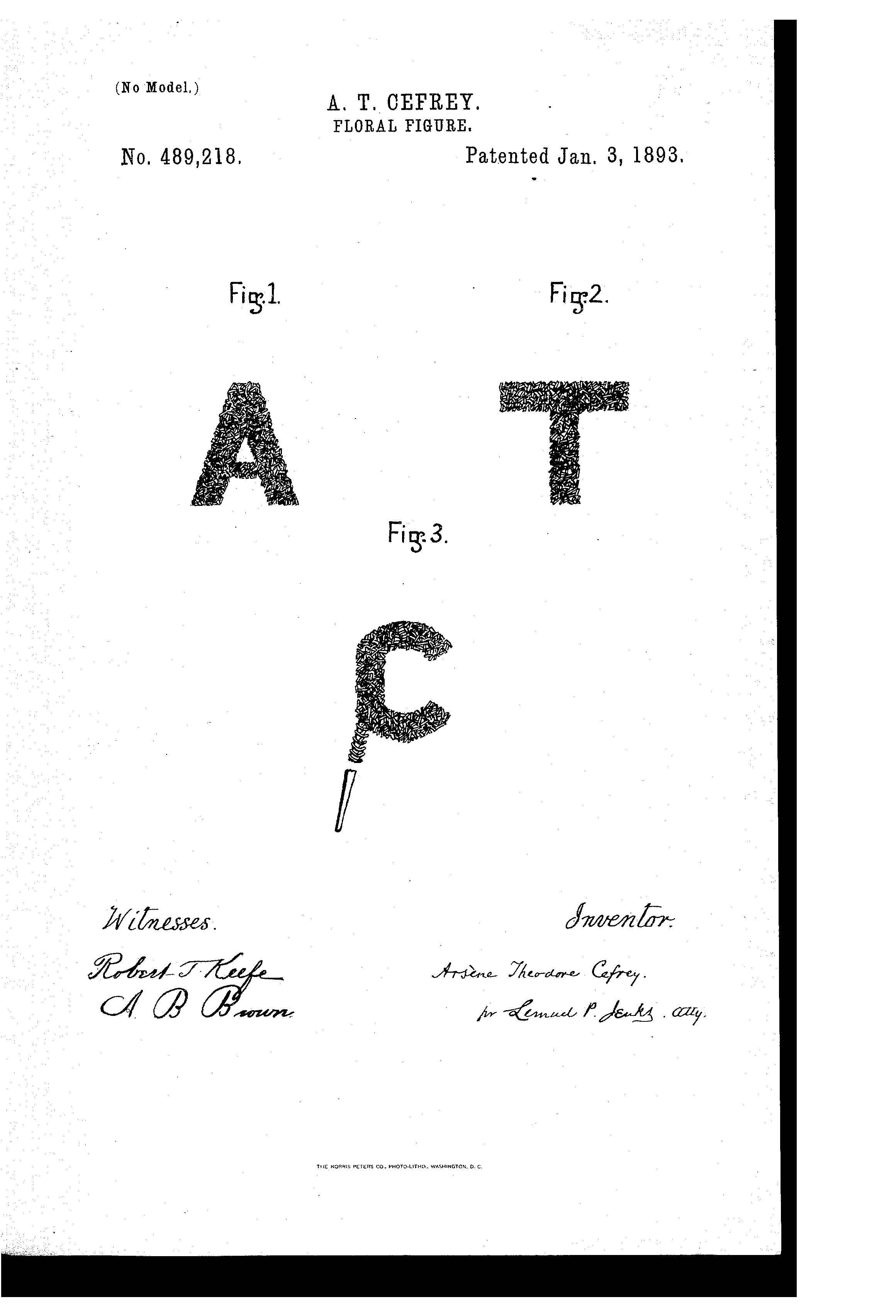
Floral Figure, U.S. Patent No. 489,218
One of the earliest patents related to Memorial Day—then known as Decoration Day—dates back to 1893. U.S. Patent No. 489,218 introduced a Floral Figure, designed to be placed on graves as a tribute to fallen soldiers. Flowers have long been a symbol of remembrance, and this provided a structured way to honor loved ones with floral arrangements that could be displayed on special occasions.
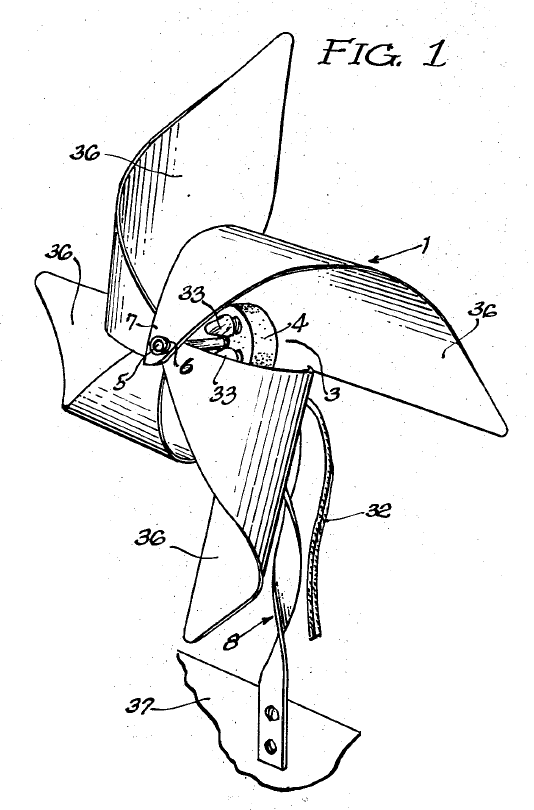
The Electric Lawn Ornament
Fast forward to 1958, and innovation took a more modern turn with U.S. Patent No. 2,857,507, which disclosed an Electric Lawn Ornament. This invention allowed families to illuminate their tributes, ensuring that memorial displays remained visible even after sunset. The use of light in remembrance has become a common practice, symbolizing eternal gratitude and the lasting impact of those who served.
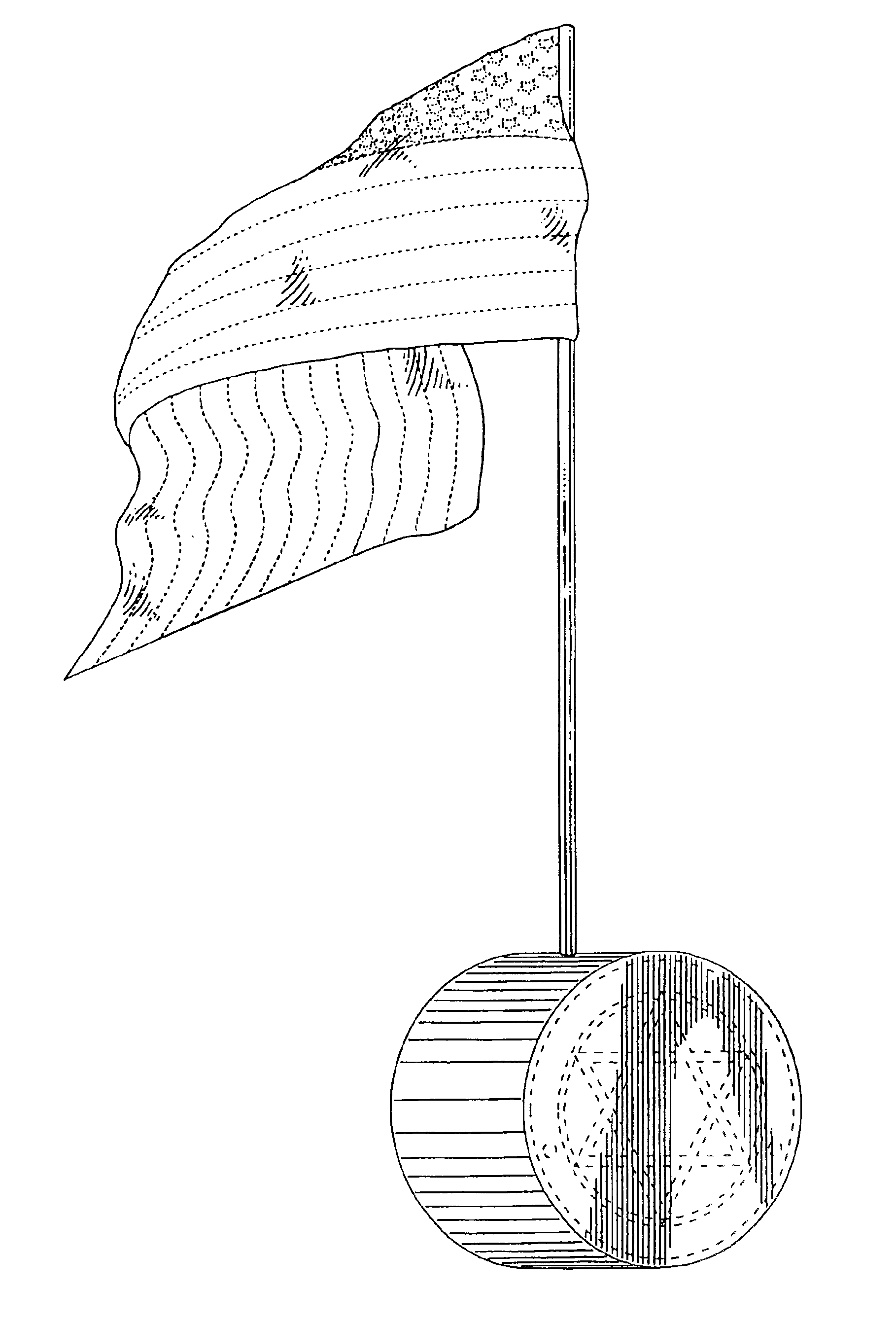
The Commemorative Flag Holder
Flags are a central part of Memorial Day observances, representing national pride and honoring those who made the ultimate sacrifice. U.S. Patent No. D506,703 introduced a combination Commemorative Flag Holder, Flag Pole, and Flag, providing a structured way to display flags. This reinforces the tradition of placing flags at cemeteries, ensuring they remain upright and properly presented.
Innovation Can Reinforce Remembrance
These patents highlight how innovation has contributed to Memorial Day traditions. As we observe Memorial Day, our team at Suiter Swantz IP recognizes not only the sacrifices made but also the ways in which innovation continues to shape how we remember and pay tribute.

Troy Anderson returns to teaching at the College of Engineering at the University of Nebraska-Lincoln
Troy Anderson returns to teaching Legal Considerations for Engineering Managers at the College of Engineering at the University of Nebraska-Lincoln
Suiter Swantz IP shareholder and patent attorney, Troy Anderson, is once again teaching the course on Legal Considerations for Engineering Managers for the Masters of Engineering Program at the University of Nebraska Lincoln.
The course provides a comprehensive survey of various legal topics that are crucial for businesses, particularly for engineering managers. Students delve into subjects such as intellectual property, contracts, torts, the role of federal agencies, antitrust law, and agency law.
Troy is honored to be a part of this prestigious program, which is ranked in the top 5 of all online engineering masters programs in the country and attracts students from across the nation. This is Troy's second year teaching this course, and he enjoys sharing his expertise with rising engineering leaders.
Troy holds an undergraduate degree in Electrical Engineering, a Ph. D and M.S. in Optics, and received his Juris Doctor from the University of Nebraska College of Law. He is also admitted to the Nebraska Supreme Court and the U.S. District Court of Nebraska and is also registered to practice before the United States Patent and Trademark Office.
Join us in wishing him and his students a successful and enlightening semester!
Suiter Swantz IP is a full-service intellectual property law firm providing client-centric patent, trademark, and copyright services. If you need assistance with an intellectual property matter and would like to speak with one of our attorneys, please contact us at info@suiter.com.

Celebrating National Inventors Month and 2025 National Inventors Hall of Fame Inductees
Honoring the Inventors Who Are Shaping the Future: 2025 National Inventors Hall of Fame Inductees
May is National Inventors Month! Established in 1998, this month-long recognition highlights significant innovations, past and present. As part of the celebration of innovation each year, the National Inventors Hall of Fame welcomes a remarkable class of inductees whose contributions have shaped industries and improved lives. Among them this year are four inventors whose groundbreaking work has left a lasting impact: Virginia Holsinger, Richard Schatz, Virginia Norwood, and Pamela Marrone. Our team at Suiter Swantz IP congratulates these and all other 2025 inductees.
Virginia Holsinger: Advancing Dairy Science for Global Nutrition
Dairy Product Innovations, U.S. Patent No. 6,258,391
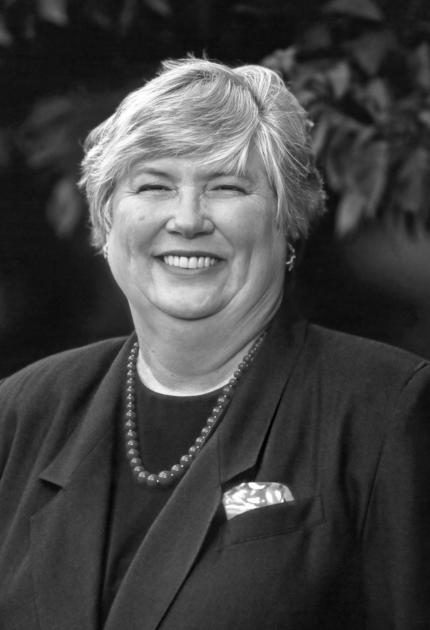
Virginia Holsinger revolutionized the dairy industry with her research on enzymes and digestion, leading to the development of Lactaid®—a product that made milk accessible to those with lactose intolerance. Her work also improved nutrition in American schools and international food donation programs, ensuring healthier dairy products reached communities worldwide. Holsinger’s contributions continue to benefit millions, proving that scientific innovation can drive meaningful change.
Richard Schatz: Pioneering Life-Saving Coronary Stents
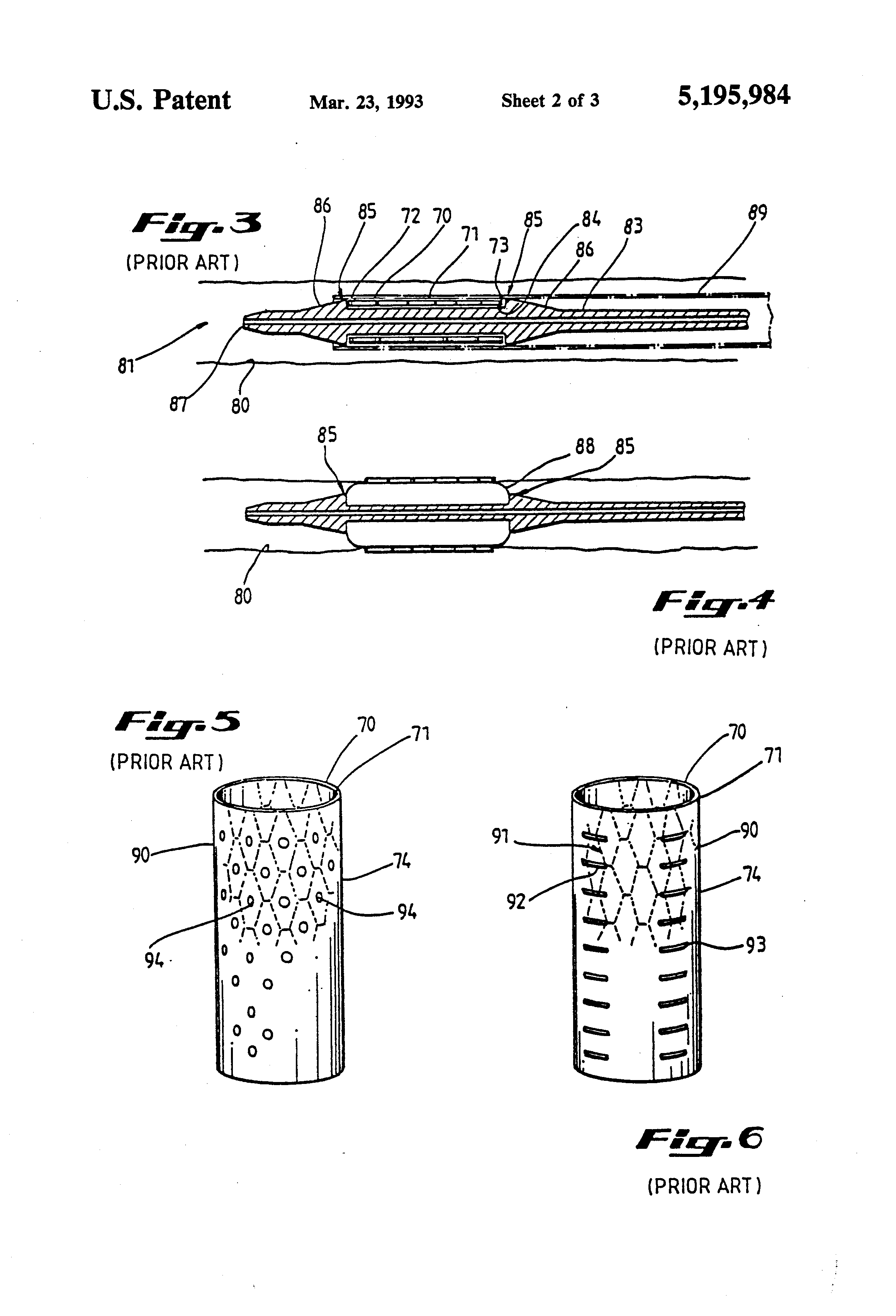
Palmaz-Schatz Coronary Stent, U.S. Patent Nos. 5,195,984; 5,902,332

Cardiologist Richard Schatz collaborated with fellow Hall of Fame inductee Julio Palmaz to develop the Palmaz-Schatz coronary stent, a breakthrough in treating coronary artery disease. Since its introduction in 1988, this stent and its derivatives have saved millions of lives by significantly reducing mortality and morbidity. Schatz’s dedication to medical innovation has reshaped cardiovascular care, making life-saving treatments more effective and accessible.
Virginia Norwood: First Satellite to Study and Monitor Earth’s Landmasses
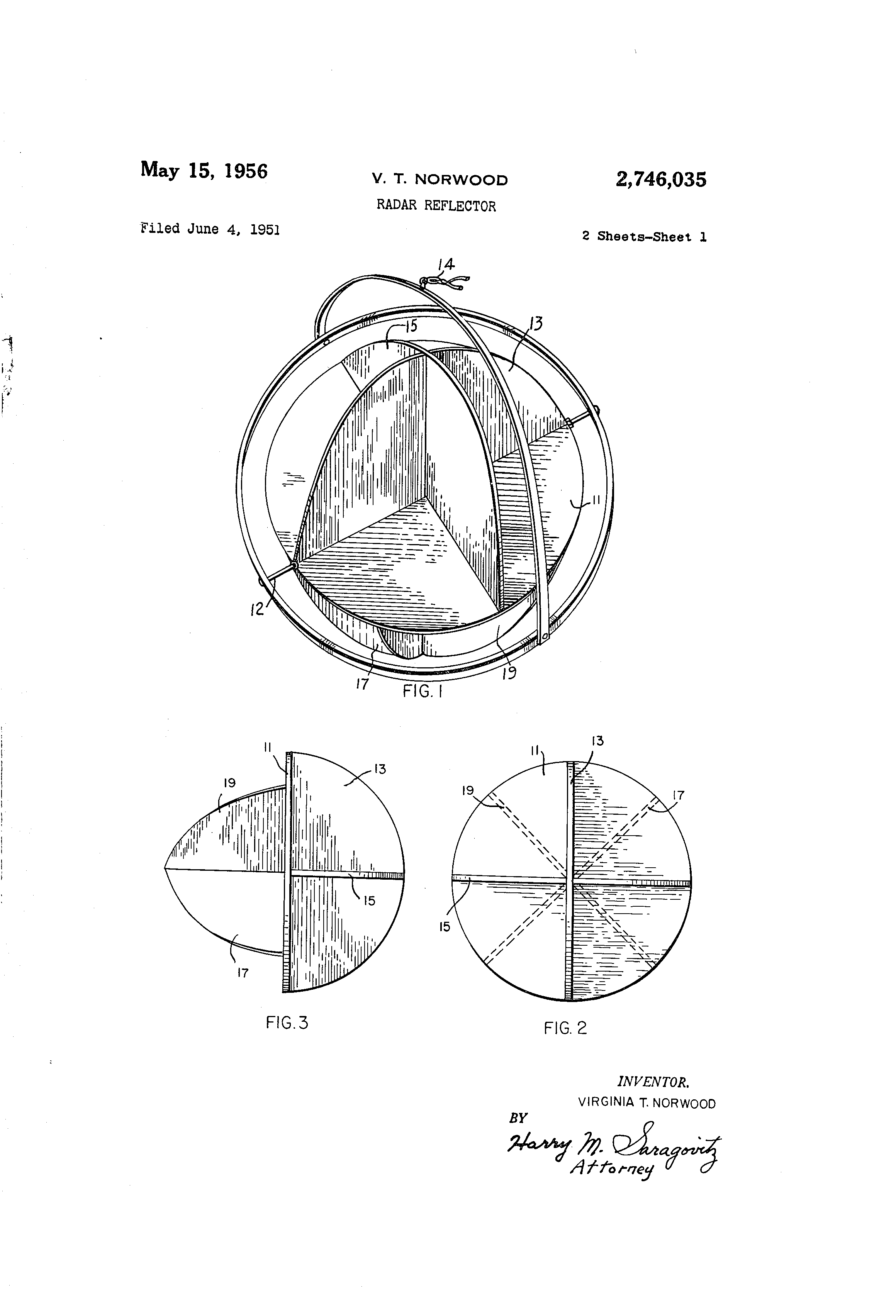
Multispectral Scanner, U.S. Patent No. 2,746,035
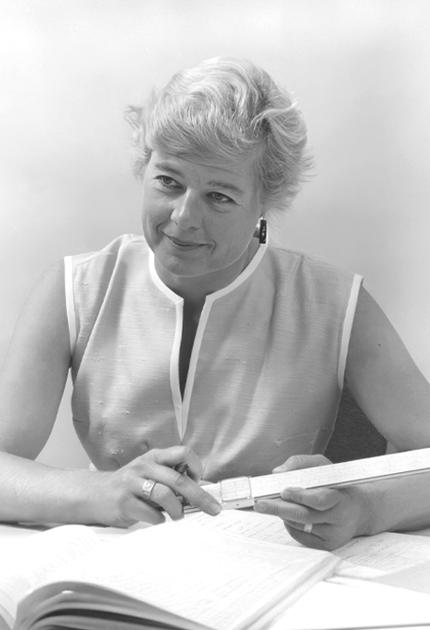
With a natural aptitude for mathematics, and a degree from Massachusetts Institute of Technology (MIT), Virginia Norwood created the Multispectral Scanner (MSS), a groundbreaking satellite instrument that has helped image Earth for decades. First launched in 1972, the MSS revolutionized remote sensing technology, which provided valuable data for studying our planet.
Pamela Marrone: Championing Sustainable Pest Control
Biological Pest Control, U.S. Patent Nos. 6,060,051; 11,382,331

Entrepreneur and entomologist Pamela Marrone has led the charge in biological pest control, developing environmentally responsible solutions for plant health and pest management. Her work in biopesticides has provided farmers with sustainable alternatives to chemical pesticides, reducing environmental impact while maintaining agricultural productivity. Marrone’s dedication to innovation in agriculture underscores the importance of science-driven sustainability.
Honoring Inventors Who Shape the Future
At Suiter Swantz IP, we celebrate the achievements of the 2025 inductees and recognize the importance of protecting intellectual property across all industries. The legacies of these–and all 2025 inductees–remind us that innovation is not only about creating—but improving lives and changing our communities for the better.
To learn more about the entire 2025 National Inventors Hall of Fame inductees, visit the official site.

Chad Swantz returns to teaching Patent Law at Creighton University
Chad Swantz, Co-Owner and Patent Attorney at Suiter Swantz IP, returns to teaching Patent Law course at Creighton University
Suiter Swantz IP Co-Owner and Patent Attorney, Chad W. Swantz, returned for his second year as an Adjunct Professor at Creighton University School of Law and is teaching Patent Law at the law school this semester.
The course examines the legal protection available through patents, with emphasis on the acquisition, maintenance, exploitation, limits and enforcement of patent rights.
Chad enjoys teaching fundamental patent law principles and practical techniques to his students. Chad began teaching at Creighton in 2023.
Chad holds an undergraduate degree in Electrical Engineering, a Master’s in Business Administration, and received his Juris Doctor from the University of Nebraska College of Law. He is also admitted to the Nebraska Supreme Court and the U.S. District Court of Nebraska and is also registered to practice before the United States Patent and Trademark Office.

Suiter Swantz IP is a full-service intellectual property law firm providing client-centric patent, trademark, and copyright services. If you need assistance with an intellectual property matter and would like to speak with one of our attorneys, please contact us at info@suiter.com.
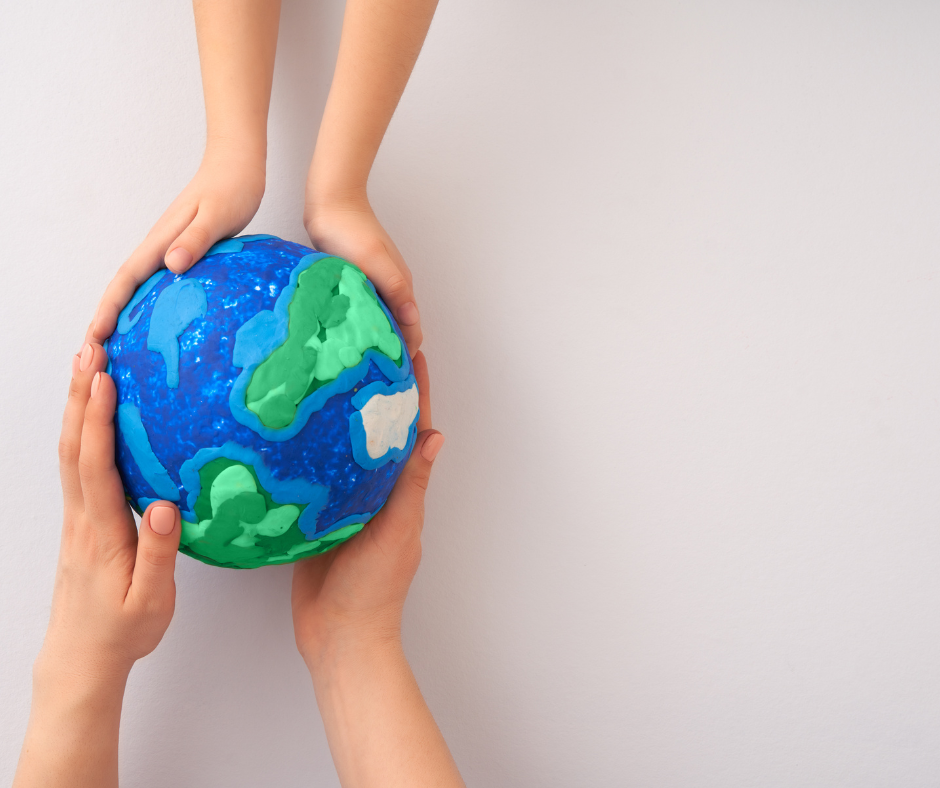
Looking Toward a Greener Future: Patents That Shape Environmental Progress
Looking Toward a Greener Future: Patents That Shape Environmental Progress
With Earth Day on the horizon, it’s a great time to highlight the technological advancements that help protect and sustain our planet. Recent patents in carbon capture and weather-related advancements contribute towards solutions that address environmental challenges. Here are a few patents that play a role in the ongoing effort to shape a green future.
Artificial Rain Technology (Issued December 28, 1929)
An early patent in weather modification was granted in 1929 and describes a process for generating artificial rain by dispersing hygroscopic substances—materials that absorb moisture—into the atmosphere. The method involves releasing compounds like calcium chloride, magnesium chloride, and phosphates from aircraft, allowing them to attract water vapor as they fall through the air. By passing through cloud layers, these substances enhance condensation, potentially leading to rainfall. This early innovation in weather modification aimed to address drought conditions and improve agricultural productivity especially in water-scarce communities or regions.
Carbon Capture and Storage (Issued June 20, 2023)
With climate change at the forefront of global concerns, carbon capture technology has become a crucial innovation. Enhanced CO₂ capture and storage, allowing industries to reduce their carbon footprint by trapping emissions before they reach the atmosphere, began in larger volume and scale in the early 2000s. This carbon capture system captures carbon dioxide from fossil fuel emissions, stores it in water, and uses it to nourish plants. By recycling CO₂ through natural photosynthesis, it helps reduce emissions and support environmental sustainability.
Carbon capture system, apparatus, and method
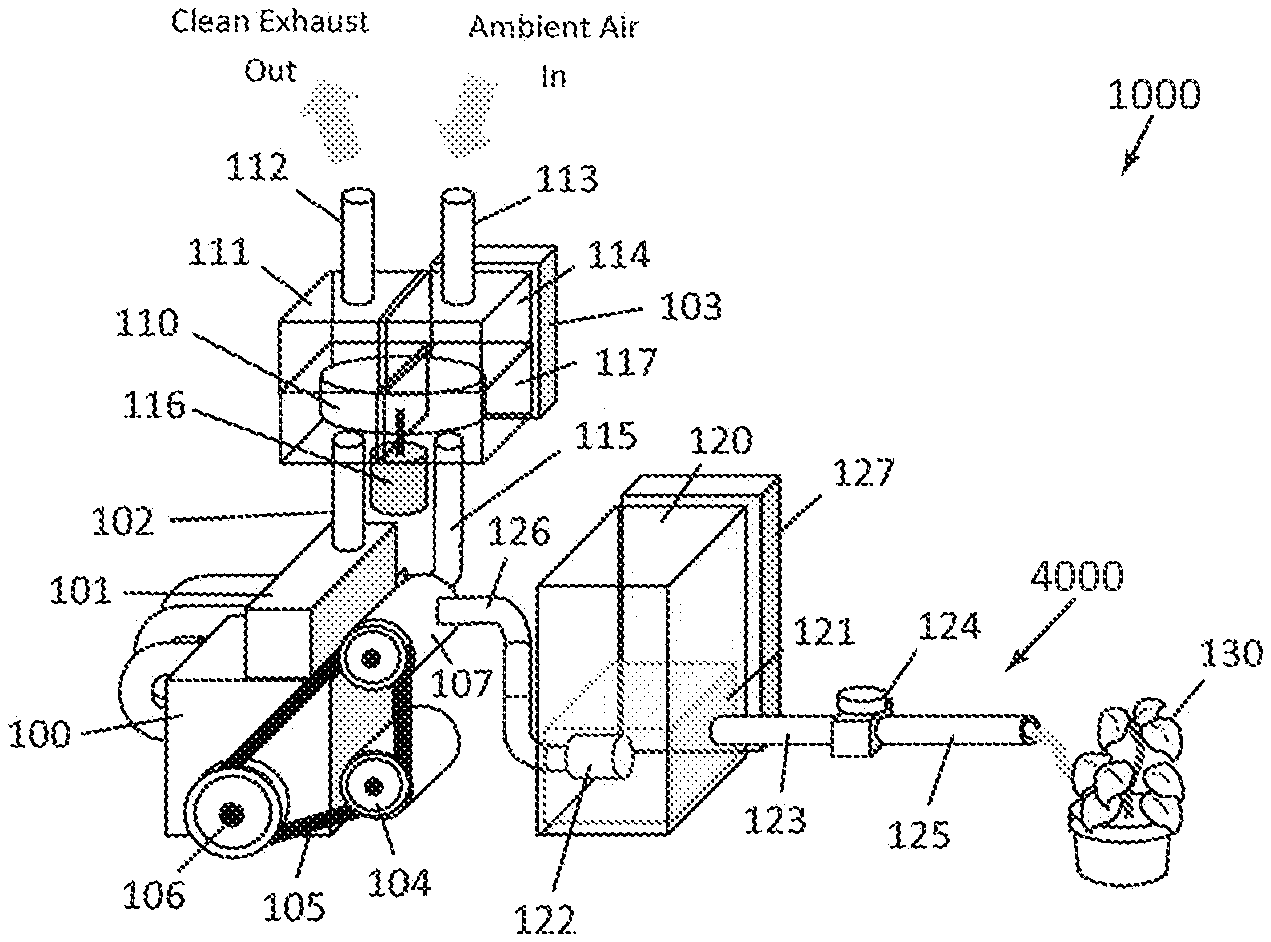
Image: Google Patents
Production of Renewable Biofuels (Issued September 20, 2016)
The process described in U.S. Patent No. 9, 447,338 produces renewable fuels in commercial quantities with enhanced efficiency by integrating a bio-oil production system with a conventional petroleum refinery. This technique bridges the gap between renewable and traditional energy sources by making sustainable fuels more accessible. The combination produces cleaner fuels at a larger scale without requiring brand new infrastructure.
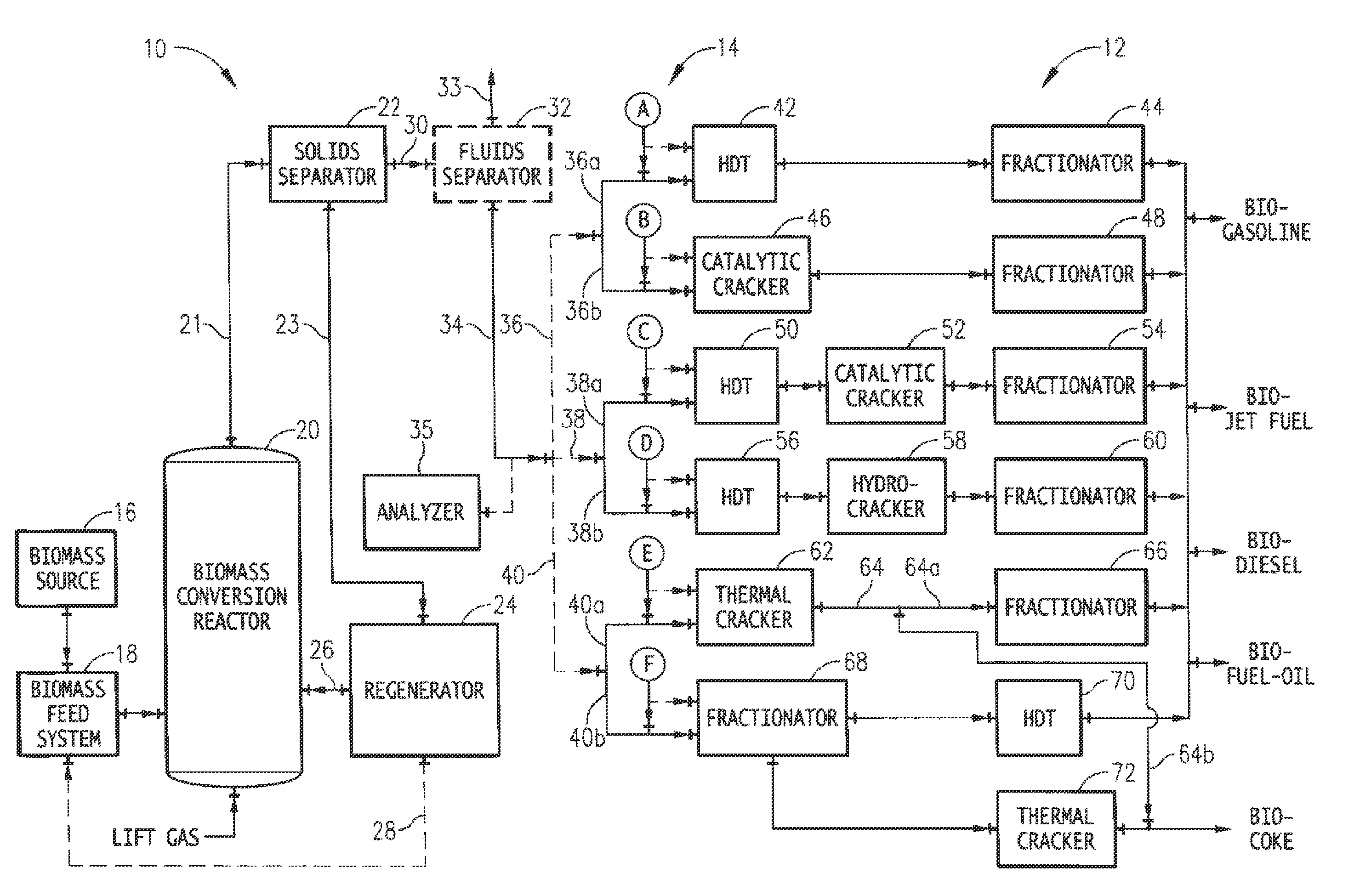
Image: Google Patents
The Future of Environmental Patents
These patents represent a small fraction of the innovations that have shaped environmental progress. As technology continues to evolve, new solutions will emerge to address climate challenges and promote sustainability. This Earth Day, Suiter Swantz IP wishes to celebrate the ingenuity that drives positive change—and we continue to support advancements that will protect our planet for generations to come.

Suiter Swantz IP Welcomes Adam Wright to the Team
Adam Wright is a patent attorney with Suiter Swantz IP. Adam received his B.S. in Biochemistry and a minor in History from the University of Missouri-Columbia and his Juris Doctor from the University of Missouri School of Law.
Adam joined the firm as a Patent Attorney in 2025 after working as an intellectual property attorney for a regional IP law firm and national full-service law firm.
Adam is admitted to the Missouri Supreme Court, the Kansas Supreme Court, the Western District of Missouri, the Eastern District of Missouri, and the District of Kansas. He is also registered to practice before the United States Patent and Trademark Office.
Outside of the office, Adam enjoys spending time with his wife and two children, training for triathlons, and hunting and fishing.
We are excited to welcome Adam to Suiter Swantz IP and value the expertise he brings to the firm!
For more information, refer to our team page.

Suiter Swantz IP is a full-service intellectual property law firm providing client-centric patent, trademark, and copyright services. If you need assistance with an intellectual property matter and would like to speak with one of our attorneys, please contact us at info@suiter.com.

Suiter Swantz IP Welcomes Amy Brooks to the Team
Amy Brooks joined Suiter Swantz IP as the accounting manager for the firm in 2024. She holds a Bachelor of Arts Degree in Accounting from Briar Cliff University, as well as an Associate's degree in financial services.
Amy has extensive experience in all areas of accounting. Her professional background includes holding key roles as Controller and Accounting Manager at several prominent Omaha businesses.
Outside of work, Amy enjoys spending time with her family and exploring her passion for personal finance.
We are happy to have Amy with us here at Suiter Swantz IP and appreciate the experience she brings to the firm!
For more information about Amy, refer to our team page.

Suiter Swantz IP is a full-service intellectual property law firm providing client-centric patent, trademark, and copyright services. If you need assistance with an intellectual property matter and would like to speak with one of our attorneys, please contact us at info@suiter.com.
The Evolution of Basketball: Patents That Shaped The Game
The Evolution of Basketball: Patents That Shaped the Game
As we dive into the world of basketball and get ready for the “madness,” it's fascinating to see how patents have shaped the game we love today. From the ball itself to the hoops and shoes, each innovation has contributed to the evolution of basketball. Let's take a closer look at some key patents that have made a significant impact.
Basketball: US Patent 1,718,305 (1929)
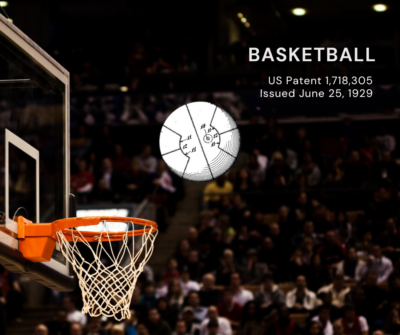
The basketball we know today has come a long way since its first iteration. In 1929, George L. Pierce was awarded US Patent No. 1,718,305 for his design of the basketball.
This patent addressed issues with earlier balls, which were made from panels of leather that tapered to points at the sphere's poles where they were laced together. Pierce's design changed the shape of the panels and stitched the ball closed, resulting in a more balanced and resilient ball.
Fun fact: Until the late 1950s, basketballs were actually dark brown! It was a college basketball coach, Tony Hinkle, who thought the color was too dark for fans to see, leading to the iconic orange basketball we use today.
Basketball Goal/Hoop: US Patent 2,053,635 (1936)
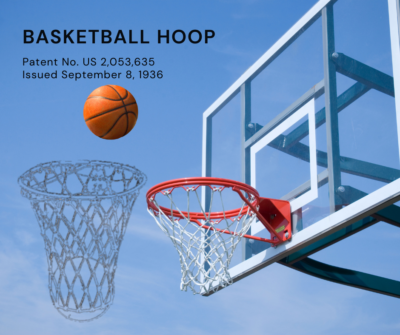
The evolution of the basketball hoop is equally intriguing. Alvie Sandberg patented one of the closest versions to the modern-day net in 1936 with US Patent No. 2,053,635. This is the same design still used today in basketball games worldwide.
Before this, the game was played with peach baskets, which had to be manually emptied after each score. Sandberg's innovation allowed for a more seamless and efficient game.
Whistle with possession control indicating system: US Patent 7,987,809 (2011)

In 2011, Luis H. Uribe and Anthony J. Palmeri patented a revolutionary whistle with possession control indicating system under US Patent No. 7,987,809. This innovative design integrates a possession indicator directly into the whistle, allowing referees to accurately track which team has possession without taking their eyes off the game. The whistle features a friction lock slider or a pop-up indicator that displays 'H' for home team or 'V' for visitor team, ensuring precise and efficient game management. This advancement has significantly improved the accuracy and efficiency of basketball officiating.
Basketball Shoes: US Patent 1,962,526 (1934) & US Patent 5,276,983 (1994)
No basketball game is complete without the right shoes. In 1934, John T. Riddell received US Patent No. 1,962,526 for his design of basketball shoes.
These shoes featured a rubber sole attached to a leather upper, providing players with better traction and durability. While the design may seem simple compared to today's high-tech basketball shoes, it was a significant step forward in the evolution of sports footwear.
Fun fact: Riddell is the owner of several sports-related patents, including football helmets!
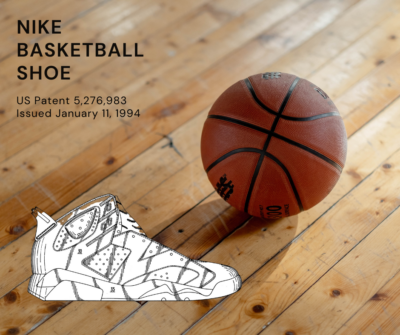
Then, in 1994, Nike's Tinker Hatfield patented an innovative design for athletic shoes with US Patent No. 5,276,983. This patent introduced a backtab pull and tongue pull, making it easier for wearers to don and remove snug-fitting athletic shoes. The backtab pull includes a strap on the shoe's posterior, while the tongue pull features holes in the extended tongue, allowing for a controlled and evenly distributed pulling force. This design significantly improved the functionality and comfort of athletic footwear. Nike continues to innovate athletic footwear.
Summary of Game-Changing Innovations
From the ball to the hoop to the shoes, each patent has played a crucial role in shaping the game of basketball. These innovations have not only improved the quality of the game but have also contributed to its global popularity. As we celebrate the game of basketball this March, let’s cheer for our favorite teams to win the bracket – and let's appreciate the inventors and their groundbreaking contributions that have made the sport what it is today.